Buy sbvz.com ?
We are moving the project
sbvz.com .
Are you interested in purchasing the domain
sbvz.com ?
domain@kv-gmbh.de · 0541-91531010
Buy sbvz.com ?
What is Thomas Hobbes' concept of human nature?
Thomas Hobbes' concept of human nature is that humans are inherently self-interested and driven by a desire for power and self-preservation. He believed that in a state of nature, without a governing authority, humans would be in a constant state of conflict and competition. Hobbes argued that to avoid this chaotic state, individuals would enter into a social contract and create a sovereign authority to maintain order and prevent the "war of all against all." **
What is the concept of human nature in Hobbes and Rousseau?
In Hobbes' view, human nature is inherently selfish and driven by a desire for power and self-preservation. He believed that in a state of nature, without a governing authority, individuals would constantly be in conflict with one another. On the other hand, Rousseau believed that humans are naturally good and compassionate, but are corrupted by society and its institutions. He argued that in a state of nature, humans lived in harmony and cooperation, but the development of private property and social hierarchies led to inequality and conflict. **
Similar search terms for Hobbes Politics
Top-Angebote
Products related to Hobbes Politics:
-
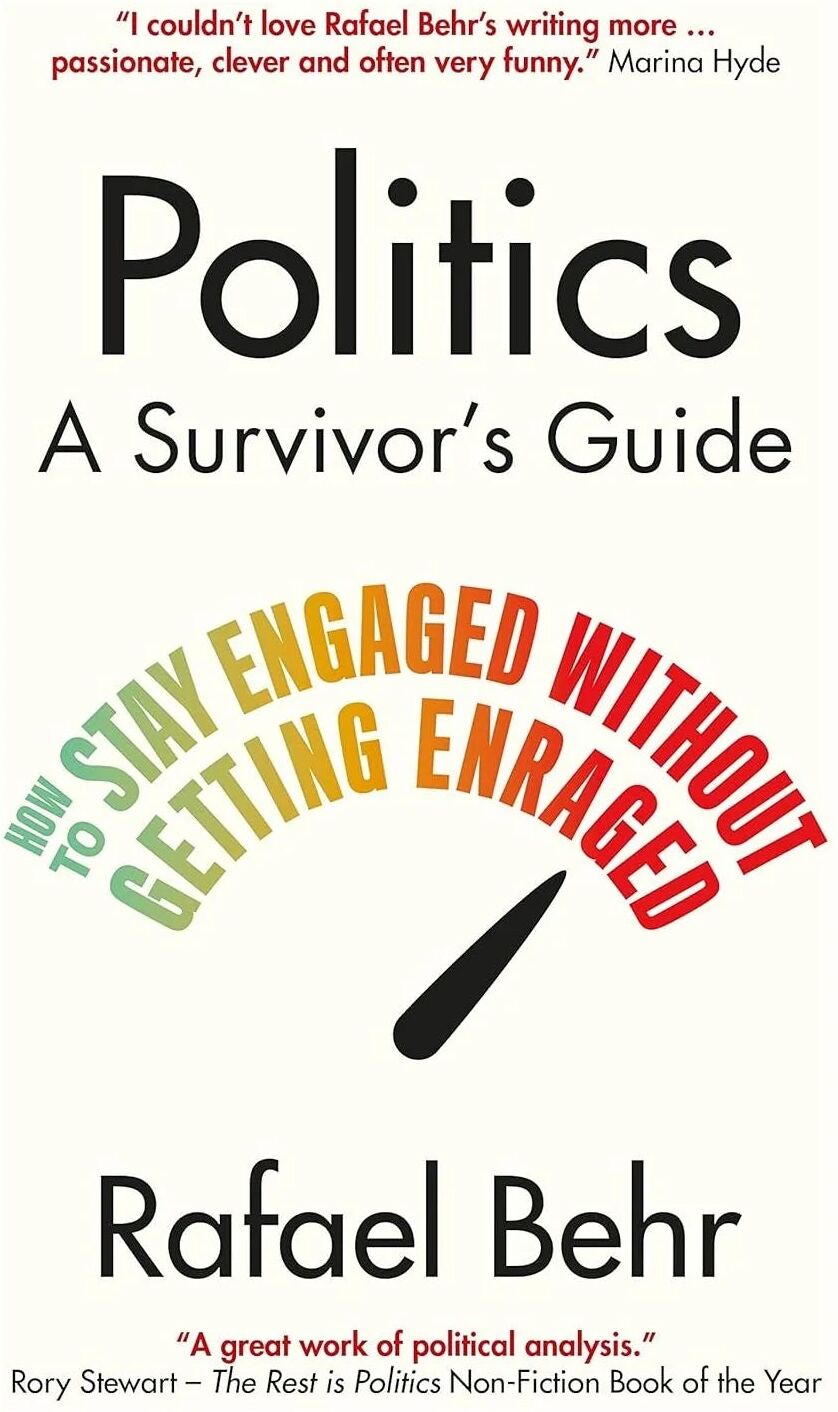
Atlantic Books Politics: A Survivor's Guide by Rafael Behr - Hardback - Non Fiction Politics & Current Affairs - How to Stay Engaged without Getting EnragedPolitics: A Survivor's Guide is a thought-provoking book by award-winning Guardian columnist Rafael Behr. Drawing on three decades of reporting from Westminster to the former Soviet Union, Behr offers a deeply personal look at the forces pulling democracy apart. This hardback book provides a genuinely hopeful path through the noise for anyone who cares about the state of the world but is tired of shouting matches. We live in an age of turmoil, where one crisis barely ends before the next begins. Behr argues that this turbulence is not a reason to switch off the news, but rather an opportunity to engage with the world in a more meaningful way. Published by Atlantic Books, this book is suitable for adult readers.10,49 £*Shipping: 2,99 £Secure redirect to the provider
-
The Little Book of Politics (DK Big Ideas Series)This politics book is the perfect pocket-sized introduction to politics ideas and political thought throughout history. From the origins of democracy to Machiavelli's cunning statecraft, and from Rousseau's "social contract" to the American Declaration of Independence, Marxist communism, the dawn of populism, and identity politics, The Little Book of Politics examines the philosophies behind the different political beliefs and methods of government used around the world over the course of human history. Packed with diagrams and flowcharts that explain complex concepts in a simple but exciting way, this introduction to politics offers you a combination of clear text and hard-working diagrams in a portable format that is perfect for reading on the go.5,99 £*Shipping: 2,99 £Secure redirect to the provider
-
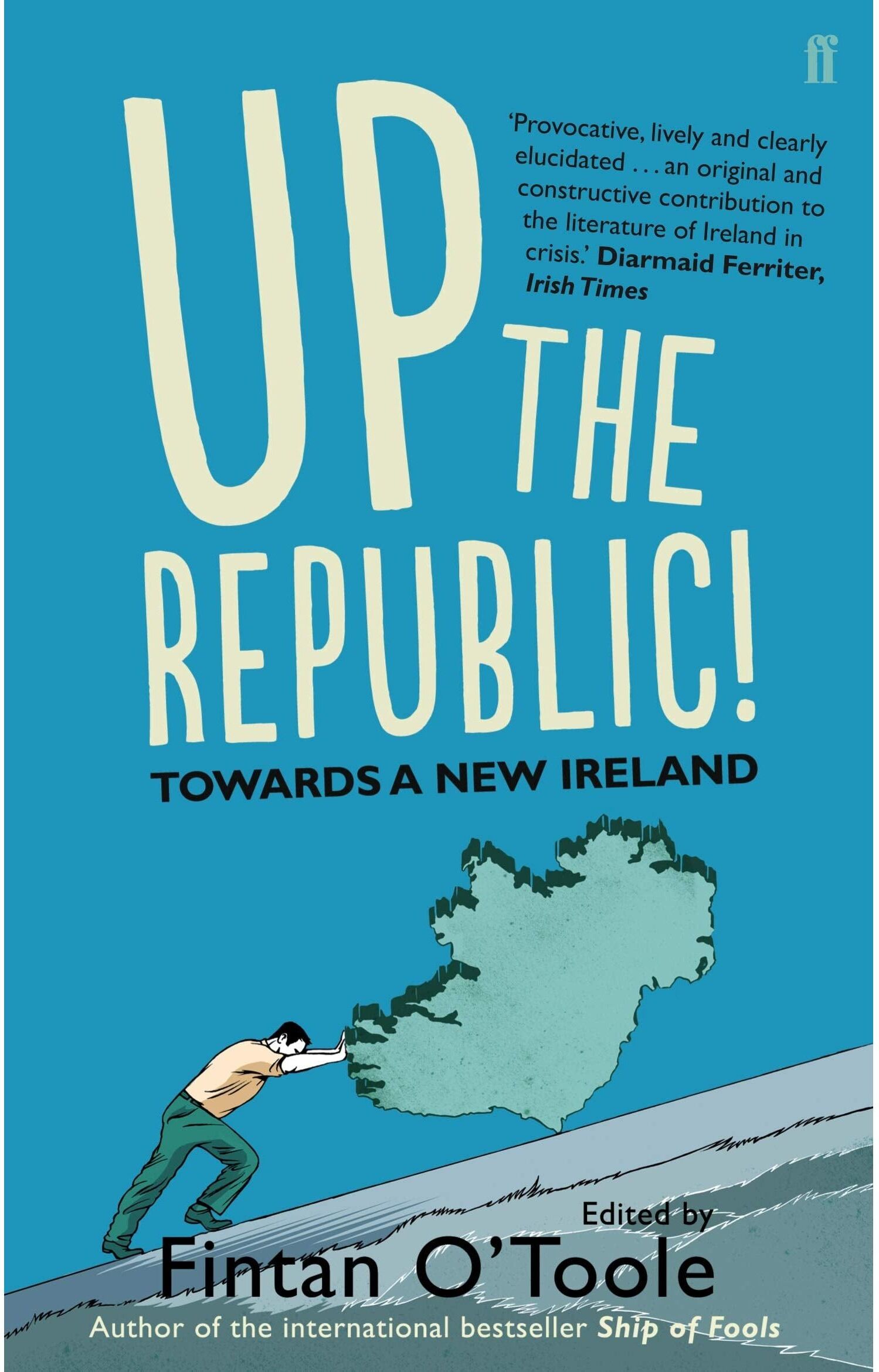
Faber Fintan O'Toole, Up the Republic! (Economic Book, Politics Book)Fintan O'Toole, Up the Republic! (Economic Book, Politics Book) In this important book, historians, lawyers, economists and writers come together to put a coherent case: that although the Irish economic collapse has resulted in national humiliation, renewed emigration and a decline in living standards for the majority of the population, there is still hope that the country can be reformed and renewed. Irish politicians offered the now notorious blanket guarantee to all the banks which had got in over their heads during the great property bubble - including one that had become little more than a criminal enterprise. A different set of politicians grimly enforces the consequences of that guarantee, locking an entire generation of Irish men and women into paying for the mistakes of greedy bankers and their corrupt friends in government. The energy of hope has to come from elsewhere. These essays demonstrate how simple measures and different economic and social policies could release that energy and fulfil the promise of an educated, literate and culturally vibrant people.4,99 £*Shipping: 1,99 £Secure redirect to the provider
-
LightInthebox Men's Dark Gray Hiking Boots, Lace-Up Rugged Outdoor Adventure Style for Men, Trekking, Camping, Mountain Trails and Weekend ExplorationMaterials:Fabric,Suede; Season:Spring,Summer,Fall,Winter,All Seasons; Gender:Men's; Size Suggestion:standard size, select your usual size; Toe Shape:Round Toe; Style:Outdoor,Casual; Outsole Materials:Rubber; Occasion:Daily,Outdoor; Closure...69,99 $*Shipping: 6,99 $Secure redirect to the provider

-
Why did Thomas Hobbes have this pessimistic view of human nature?
Thomas Hobbes had a pessimistic view of human nature because he believed that humans were inherently selfish, competitive, and driven by their own self-interest. He argued that in a state of nature, without a strong central authority to keep them in check, humans would constantly be at war with each other, leading to a life that was "nasty, brutish, and short." Hobbes believed that the only way to prevent this chaos was to establish a powerful government that could maintain order and control over individuals. **
-
What is the view of human nature in Hobbes and Rousseau?
Hobbes and Rousseau have contrasting views on human nature. Hobbes believed that humans are inherently selfish, competitive, and driven by a desire for power and self-preservation. He argued that without a strong central authority to maintain order, humans would descend into a state of chaos and conflict. On the other hand, Rousseau believed that humans are inherently good and compassionate, but society corrupts them by introducing inequality and competition. He believed that in a state of nature, humans are peaceful and cooperative. **
-
What is the state of nature and society according to Hobbes?
According to Hobbes, the state of nature is a condition of constant war and conflict, where individuals are in a state of competition and mutual distrust. In this state, there is no common power to keep people in check, leading to a "war of all against all." Hobbes believed that in order to escape this state of nature, individuals must enter into a social contract and form a sovereign authority to maintain order and prevent chaos. This sovereign authority, according to Hobbes, should have absolute power to ensure peace and stability in society. **
-
What is the concept of human nature according to Hobbes and Rousseau?
According to Hobbes, human nature is inherently selfish and driven by a desire for power and self-preservation. He believed that in a state of nature, without a governing authority, humans would be in a constant state of war and conflict. On the other hand, Rousseau believed that human nature is essentially good and compassionate, but is corrupted by society and civilization. He argued that in a state of nature, humans were peaceful and cooperative, but the development of society led to inequality and competition. **


How do you compare the state of nature of Locke and Thomas Hobbes?
Locke and Hobbes both discuss the state of nature as a hypothetical scenario to understand the origins of political authority. However, they have different views on the nature of individuals in this state. Hobbes believed that individuals in the state of nature were selfish, competitive, and constantly at war with each other, leading to a need for a strong central authority to maintain order. On the other hand, Locke argued that individuals in the state of nature were rational and peaceful, with natural rights to life, liberty, and property, and that government should exist to protect these rights. Overall, while both philosophers use the state of nature to explore political theory, their views on human nature and the role of government differ significantly. **
What is the concept of human nature in the ethics of Hume and Hobbes?
In the ethics of Hume and Hobbes, human nature is viewed as inherently self-interested and driven by personal desires. Hobbes believed that humans are naturally in a state of conflict and competition, leading to a need for a strong central authority to maintain order. Hume, on the other hand, emphasized the role of sentiment and emotions in moral decision-making, suggesting that human nature is guided by a combination of reason and passion. Both philosophers acknowledge the complexity of human nature and its influence on ethical behavior. **
Top-Angebote
Products related to Hobbes Politics:
-
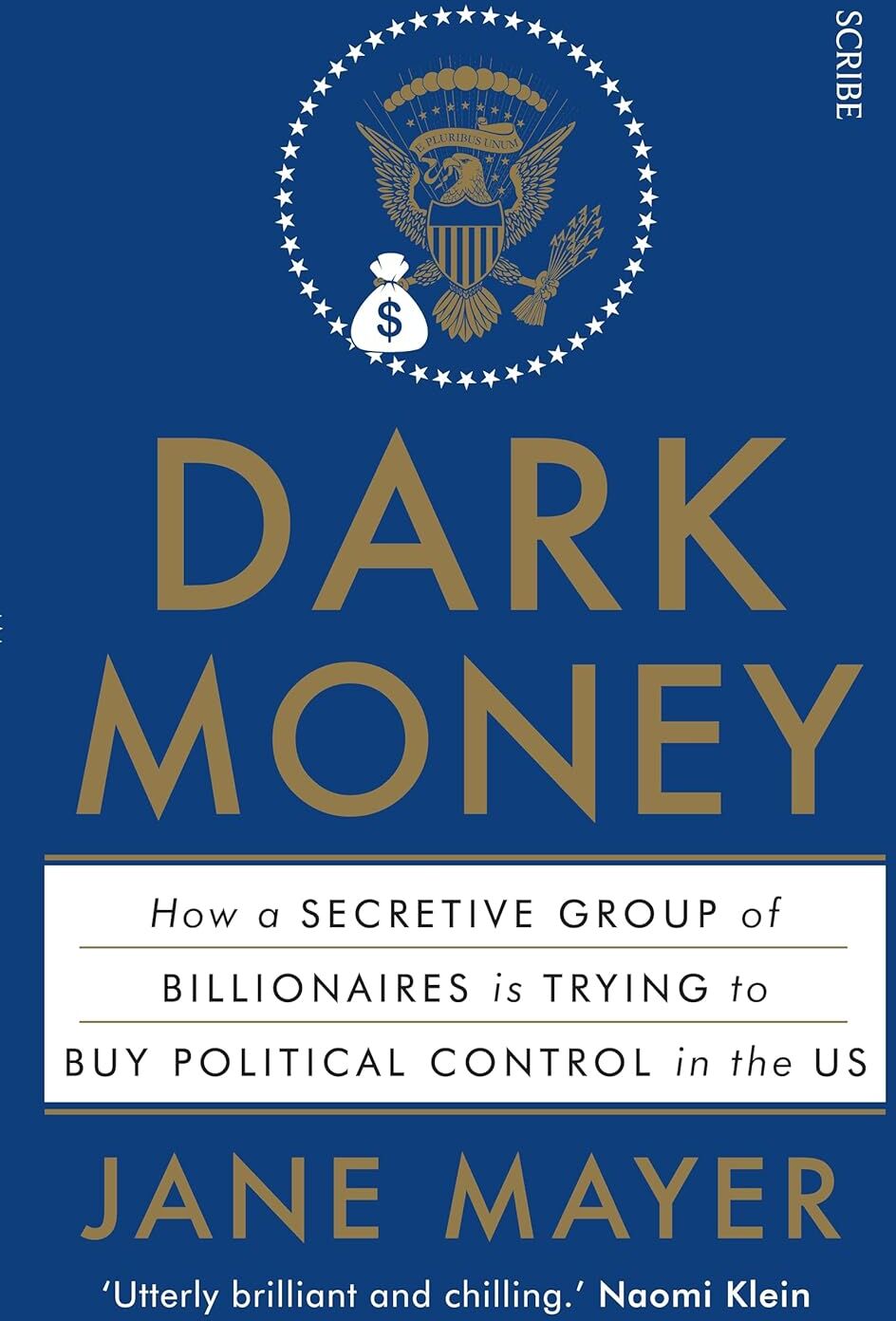
Dark Money: How Billionaires Buy Politics by Jane Mayer - Scribe UK Paperback - Investigative Politics & Finance Book - NewDark Money is a landmark work of investigative journalism by Jane Mayer, tracing how a small network of extremely wealthy right-wing donors reshaped American politics over four decades. Meticulously sourced and compellingly written, it uncovers the funding of think tanks, front groups, and campaigns designed to influence elections, courts, and public opinion. This brand new paperback is essential reading for anyone interested in modern politics, economic inequality, and the hidden machinery of democracy. Written by New Yorker staff writer Jane Mayer, the book exposes the network of billionaires trying to buy the US electoral system, led by libertarian industrialists Charles and David Koch, along with allies such as the Scaifes, Olins, and Bradleys, who have poured vast sums into the system.7,49 £*Shipping: 2,99 £Secure redirect to the provider
-
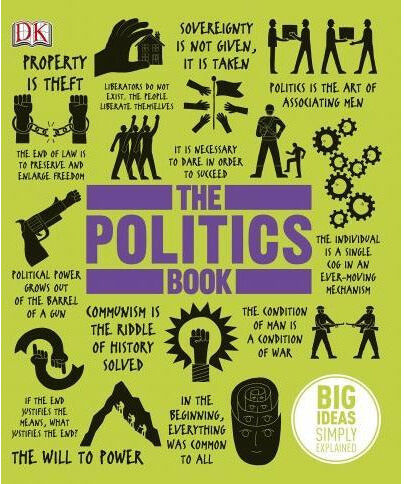
DK The Politics Book - Big Ideas Simply ExplainedThis invaluable; easy-to-understand guide to world politics and government offers an accessible introduction to more than 80 of the most important theories and big ideas of leaders and politicians throughout history. The Politics Book makes government and politics easy to understand by explaining the big ideas simply; using clear language supported by eye-catching graphics. The key events in political history are outlined from the origins of political thinking by Confucius and Aristotle to modern-day activists such as Martin Luther King and Nelson Mandela. Helpful mind maps break down their important concepts into bitesize chunks to make the subject accessible to students of politics and anyone with an interest in how government works. A handy reference section also provides a glossary of key terms and a directory of significant political figures. Filled with thought-provoking quotes from great political thinkers such as Nietzsche; Malcolm X; Karl Marx; and Mao Zedong; The Politics Book gives context to the world of government and power.12,99 £*Shipping: 2,99 £Secure redirect to the provider
-
Atlantic Books Politics: A Survivor's Guide by Rafael Behr - Hardback - Non Fiction Politics & Current Affairs - How to Stay Engaged without Getting EnragedPolitics: A Survivor's Guide is a thought-provoking book by award-winning Guardian columnist Rafael Behr. Drawing on three decades of reporting from Westminster to the former Soviet Union, Behr offers a deeply personal look at the forces pulling democracy apart. This hardback book provides a genuinely hopeful path through the noise for anyone who cares about the state of the world but is tired of shouting matches. We live in an age of turmoil, where one crisis barely ends before the next begins. Behr argues that this turbulence is not a reason to switch off the news, but rather an opportunity to engage with the world in a more meaningful way. Published by Atlantic Books, this book is suitable for adult readers.10,49 £*Shipping: 2,99 £Secure redirect to the provider
-
The Little Book of Politics (DK Big Ideas Series)This politics book is the perfect pocket-sized introduction to politics ideas and political thought throughout history. From the origins of democracy to Machiavelli's cunning statecraft, and from Rousseau's "social contract" to the American Declaration of Independence, Marxist communism, the dawn of populism, and identity politics, The Little Book of Politics examines the philosophies behind the different political beliefs and methods of government used around the world over the course of human history. Packed with diagrams and flowcharts that explain complex concepts in a simple but exciting way, this introduction to politics offers you a combination of clear text and hard-working diagrams in a portable format that is perfect for reading on the go.5,99 £*Shipping: 2,99 £Secure redirect to the provider
-
What is Thomas Hobbes' concept of human nature?
Thomas Hobbes' concept of human nature is that humans are inherently self-interested and driven by a desire for power and self-preservation. He believed that in a state of nature, without a governing authority, humans would be in a constant state of conflict and competition. Hobbes argued that to avoid this chaotic state, individuals would enter into a social contract and create a sovereign authority to maintain order and prevent the "war of all against all." **
-
What is the concept of human nature in Hobbes and Rousseau?
In Hobbes' view, human nature is inherently selfish and driven by a desire for power and self-preservation. He believed that in a state of nature, without a governing authority, individuals would constantly be in conflict with one another. On the other hand, Rousseau believed that humans are naturally good and compassionate, but are corrupted by society and its institutions. He argued that in a state of nature, humans lived in harmony and cooperation, but the development of private property and social hierarchies led to inequality and conflict. **
-
Why did Thomas Hobbes have this pessimistic view of human nature?
Thomas Hobbes had a pessimistic view of human nature because he believed that humans were inherently selfish, competitive, and driven by their own self-interest. He argued that in a state of nature, without a strong central authority to keep them in check, humans would constantly be at war with each other, leading to a life that was "nasty, brutish, and short." Hobbes believed that the only way to prevent this chaos was to establish a powerful government that could maintain order and control over individuals. **
-
What is the view of human nature in Hobbes and Rousseau?
Hobbes and Rousseau have contrasting views on human nature. Hobbes believed that humans are inherently selfish, competitive, and driven by a desire for power and self-preservation. He argued that without a strong central authority to maintain order, humans would descend into a state of chaos and conflict. On the other hand, Rousseau believed that humans are inherently good and compassionate, but society corrupts them by introducing inequality and competition. He believed that in a state of nature, humans are peaceful and cooperative. **
Similar search terms for Hobbes Politics
-
Faber Fintan O'Toole, Up the Republic! (Economic Book, Politics Book)Fintan O'Toole, Up the Republic! (Economic Book, Politics Book) In this important book, historians, lawyers, economists and writers come together to put a coherent case: that although the Irish economic collapse has resulted in national humiliation, renewed emigration and a decline in living standards for the majority of the population, there is still hope that the country can be reformed and renewed. Irish politicians offered the now notorious blanket guarantee to all the banks which had got in over their heads during the great property bubble - including one that had become little more than a criminal enterprise. A different set of politicians grimly enforces the consequences of that guarantee, locking an entire generation of Irish men and women into paying for the mistakes of greedy bankers and their corrupt friends in government. The energy of hope has to come from elsewhere. These essays demonstrate how simple measures and different economic and social policies could release that energy and fulfil the promise of an educated, literate and culturally vibrant people.4,99 £*Shipping: 1,99 £Secure redirect to the provider
-
LightInthebox Men's Dark Gray Hiking Boots, Lace-Up Rugged Outdoor Adventure Style for Men, Trekking, Camping, Mountain Trails and Weekend ExplorationMaterials:Fabric,Suede; Season:Spring,Summer,Fall,Winter,All Seasons; Gender:Men's; Size Suggestion:standard size, select your usual size; Toe Shape:Round Toe; Style:Outdoor,Casual; Outsole Materials:Rubber; Occasion:Daily,Outdoor; Closure...69,99 $*Shipping: 6,99 $Secure redirect to the provider
-
What is the state of nature and society according to Hobbes?
According to Hobbes, the state of nature is a condition of constant war and conflict, where individuals are in a state of competition and mutual distrust. In this state, there is no common power to keep people in check, leading to a "war of all against all." Hobbes believed that in order to escape this state of nature, individuals must enter into a social contract and form a sovereign authority to maintain order and prevent chaos. This sovereign authority, according to Hobbes, should have absolute power to ensure peace and stability in society. **
-
What is the concept of human nature according to Hobbes and Rousseau?
According to Hobbes, human nature is inherently selfish and driven by a desire for power and self-preservation. He believed that in a state of nature, without a governing authority, humans would be in a constant state of war and conflict. On the other hand, Rousseau believed that human nature is essentially good and compassionate, but is corrupted by society and civilization. He argued that in a state of nature, humans were peaceful and cooperative, but the development of society led to inequality and competition. **
-
How do you compare the state of nature of Locke and Thomas Hobbes?
Locke and Hobbes both discuss the state of nature as a hypothetical scenario to understand the origins of political authority. However, they have different views on the nature of individuals in this state. Hobbes believed that individuals in the state of nature were selfish, competitive, and constantly at war with each other, leading to a need for a strong central authority to maintain order. On the other hand, Locke argued that individuals in the state of nature were rational and peaceful, with natural rights to life, liberty, and property, and that government should exist to protect these rights. Overall, while both philosophers use the state of nature to explore political theory, their views on human nature and the role of government differ significantly. **
-
What is the concept of human nature in the ethics of Hume and Hobbes?
In the ethics of Hume and Hobbes, human nature is viewed as inherently self-interested and driven by personal desires. Hobbes believed that humans are naturally in a state of conflict and competition, leading to a need for a strong central authority to maintain order. Hume, on the other hand, emphasized the role of sentiment and emotions in moral decision-making, suggesting that human nature is guided by a combination of reason and passion. Both philosophers acknowledge the complexity of human nature and its influence on ethical behavior. **
* All prices are inclusive of VAT and, if applicable, plus shipping costs. The offer information is based on the details provided by the respective shop and is updated through automated processes. Real-time updates do not occur, so deviations can occur in individual cases. ** Note: Parts of this content were created by AI.